
Why Your Hair Won't Grow

Why Your Hair Won't Grow

Your hair may be growing perfectly. The problem might be keeping it.

One Of The Most Common Things We Hear


One of the most common things we hear in the salon is: 

"My hair just won't grow."


It usually comes up somewhere between the basin and the mirror. A client points to the length they've had for years and tells us they've tried everything.

The interesting thing is that in many cases, their hair is growing.

The real problem is that it isn't surviving the journey.

Hair growth and hair length are not always the same thing.

Your hair may be growing perfectly well from the follicle, but if it breaks, splits, sheds prematurely, or becomes increasingly fragile, you'll never see the length you're working so hard to achieve.

This is where the concept of hair retention becomes important.

And understanding the difference between hair growth and hair retention can completely change the way you approach your hair health.

Hair Growth Vs Hair Retention

Hair growth happens beneath the scalp.


Hair retention happens above it.

Hair Growth 

Every hair strand begins its life inside a follicle.

The follicle produces a hair fibre that grows on average around 1–1.5 centimetres per month, although genetics, hormones, health, age and lifestyle all influence this rate.

For most people, the follicles are doing exactly what they're supposed to be doing.

Hair Retention

Hair retention refers to how much of that hair remains intact as it grows.

Think of it like growing a garden.

Your plants can be producing healthy new growth every day. But if someone comes along and trims the tops off regularly, the garden never appears to get taller.

Hair behaves in much the same way.

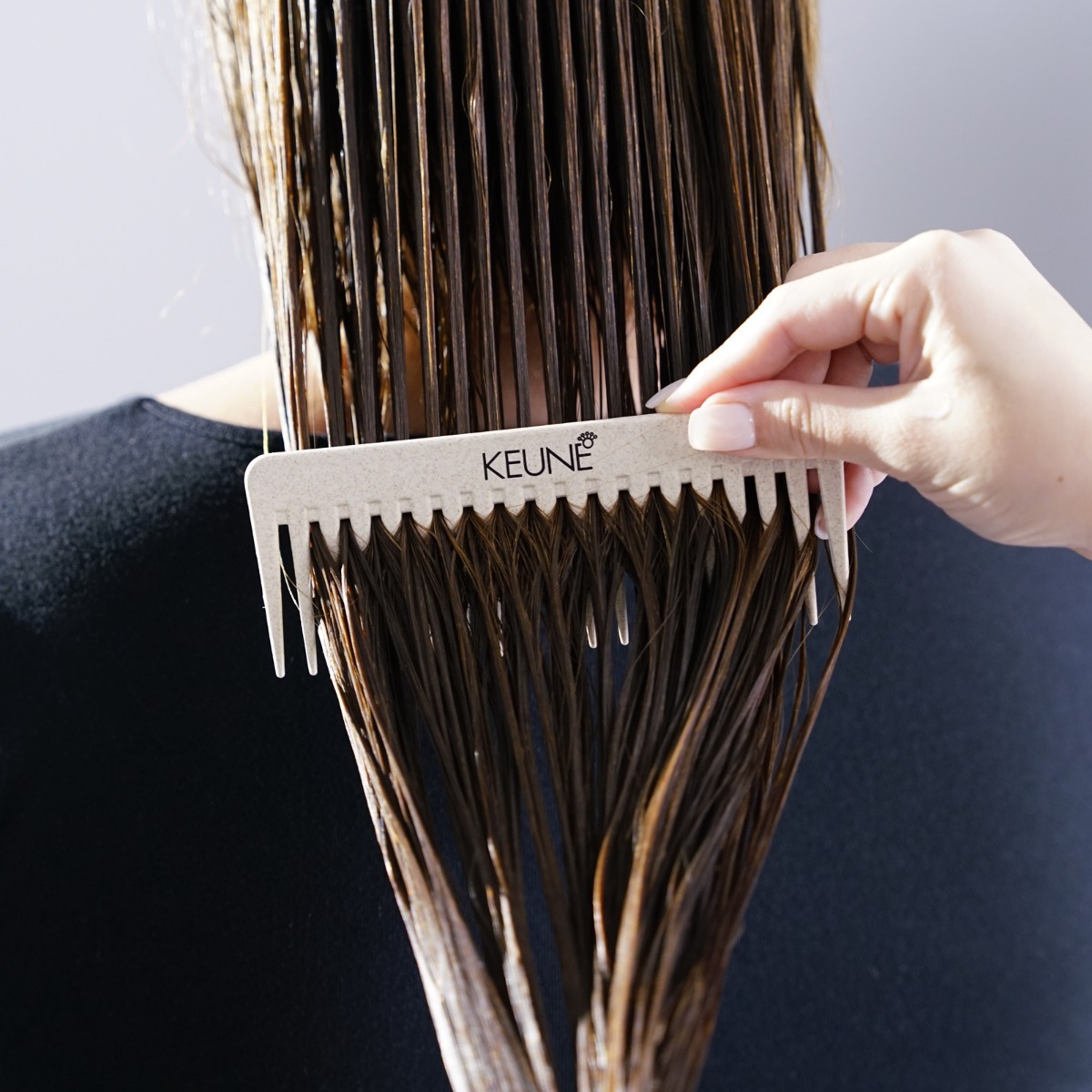
If the ends are constantly breaking, splitting or becoming damaged, the length you're gaining at the root is being lost at the ends.

The result?

You feel like your hair has stopped growing, even though it hasn't.

Why Hair Becomes Fragile

Naturally Fine Hair

Some people are born with thick, coarse hair fibres.

Others naturally produce finer strands.


Neither is better or worse.


Hair fibre diameter is largely determined by genetics. Fine hair contains less structural material within each strand, making it more vulnerable to breakage, heat damage and environmental stress.


Many people with fine hair mistake fragility for poor growth.


In reality, their hair is growing beautifully, but the delicate fibre struggles to retain length.

Colour & Chemical Services

Professional colouring isn't the enemy.


Many of our longest-haired clients are blonde.


The difference is understanding how to balance beauty with hair integrity.


Every chemical service creates a degree of structural change within the hair fibre. Over time, repeated colouring, lightening or chemical processing can reduce resilience if not supported with the right care.


Healthy hair isn't achieved by avoiding everything.


It's achieved through balance.

Heat Styling

Most people understand that extreme heat can damage hair.

What many don't realise is how much cumulative damage occurs through everyday habits.


A quick straighten before work.


A curling wand on the weekend.


A blow-dry several times per week.


Over time these habits can gradually weaken the cuticle layer, allowing moisture loss and increasing breakage.


This is why thermal protection matters.

Hormonal Changes

Hormones have a remarkable influence on hair.

Many women first notice changes in their hair before they fully recognise what their hormones are doing.


Perimenopause


During perimenopause, fluctuating oestrogen levels can affect the hair growth cycle.
Women may notice:

●  Reduced density
●  Increased shedding
●  Finer strands
●  Reduced shine
●  Less elasticity

Menopause

Following menopause, declining oestrogen and relatively higher androgen activity can contribute to:


●  Hair thinning
●  Reduced volume
●  Increased fragility
●  Shorter growth cycles


Hair may not stop growing, but it often spends less time growing and more time resting.


Postpartum


After pregnancy, many women experience postpartum telogen effluvium.


This occurs because elevated pregnancy hormones decline rapidly after birth, causing increased shedding several months later.


While alarming, this is usually temporary.

Stress

Stress affects more than your mental wellbeing.


It can also affect your hair cycle.


One common condition is telogen effluvium, where significant stress causes more hairs than usual to enter the resting phase before shedding.


Triggers can include:

●  Illness
●  Surgery
●  Emotional stress
●  Major life changes
●  Rapid weight loss

The shedding often occurs months after the stressful event, making it difficult to connect the two.

Nutrition

Hair is not an essential organ.

When nutritional resources are limited, your body prioritises vital organs first.


Hair comes much further down the list.


Nutrients that influence healthy hair growth include:

●  Protein
●  Iron
●  Zinc
●  Vitamin D

Without adequate nutrition, the body may struggle to support optimal hair production and retention.

Signs Your Hair Is Breaking Rather Than Not Growing

●  Your hair never seems to get longer
●  Split ends return quickly
●  The ends feel thinner than the roots
●  Hair tangles more easily than it used to
●  You notice short broken hairs around the crown
●  The perimeter appears wispy or uneven
●  Hair feels rough or fragile
●  More broken pieces appear in the brush
●  Your ponytail feels thinner over time
●  Length remains the same year after year

How To Improve Hair Retention

Home Care

Hair care doesn't begin at your appointment.


It happens every day at home.


A quality shampoo, conditioner and leave-in treatment help reduce friction, support strength and improve manageability.

Healthy Hair Starts With A Healthy Scalp

The scalp is living tissue.

The hair fibre is not.


A healthy scalp environment supports healthier follicles, improved circulation and optimal conditions for hair growth.


When clients are concerned about thinning, density changes or excessive shedding, the scalp is often the first place we investigate.

Lifestyle Factors

Hair health is influenced by far more than products.

Prioritise:

●  Sleep
●  Stress management
●  Balanced nutrition
●  Hydration
●  General wellbeing

Professional Advice Matters

One of the biggest mistakes we see is assuming every hair concern has the same solution.


The client experiencing postpartum shedding requires a different approach to the client experiencing menopause-related thinning.


The client with fragile blonde hair requires a different plan to the client with naturally fine hair.


Understanding the cause helps determine the most appropriate pathway forward.
The Science Behind Stronger Hair


What Are Biomimetic Peptides?

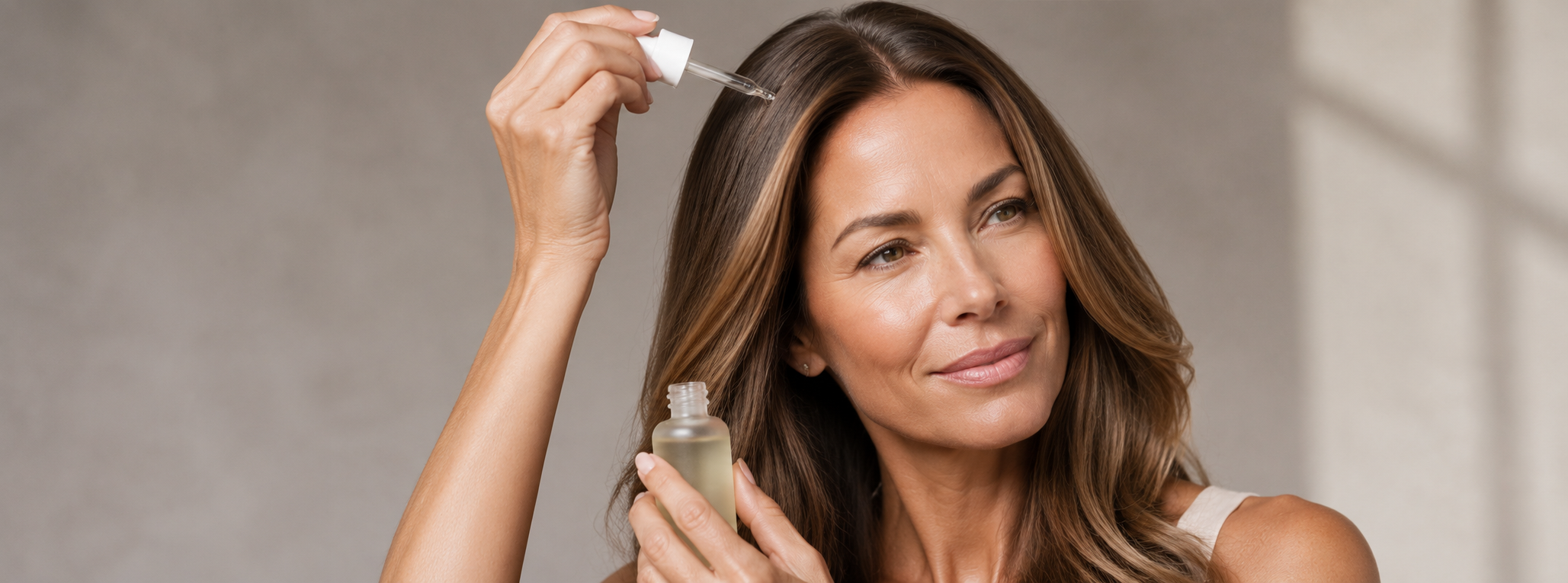
One of the most exciting developments in advanced haircare is the use of biomimetic peptides.


The name sounds complicated.


The concept is surprisingly simple.


"Biomimetic" means designed to imitate natural biological processes.


Peptides are small chains of amino acids that act as signalling molecules within the body.


Biomimetic peptides mimic the body's natural communication pathways.


Think of them as tiny messengers.


They help send signals that support healthier follicle function and stronger hair growth.


In advanced haircare they may help:

●  Support healthier growth cycles
●  Improve follicle performance
●  Help strengthen hair fibres
●  Support density
●  Encourage fuller-looking hair


Rather than forcing the hair to do something unnatural, they support the biological systems already involved in healthy hair production.
How We Support Hair Health At About Face

At About Face, we believe healthy hair begins with understanding.


We start with personalised consultations and hair health assessments to identify what's really happening.


Because "my hair won't grow" can mean many different things.


For some clients, it's breakage.


For others, it's hormonal change.


For others, it's scalp health, stress or nutritional factors.


From there, we create recommendations tailored to the individual.


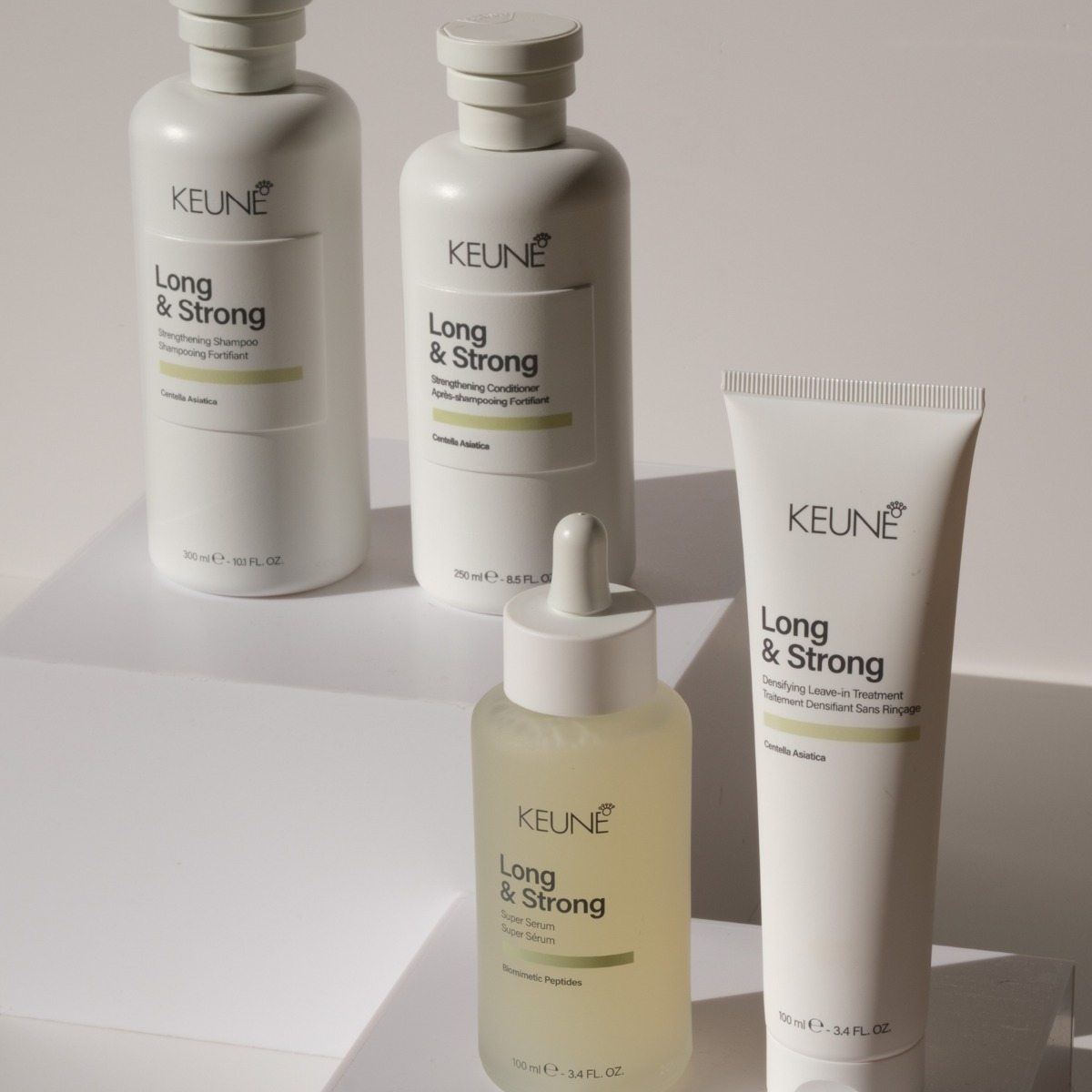
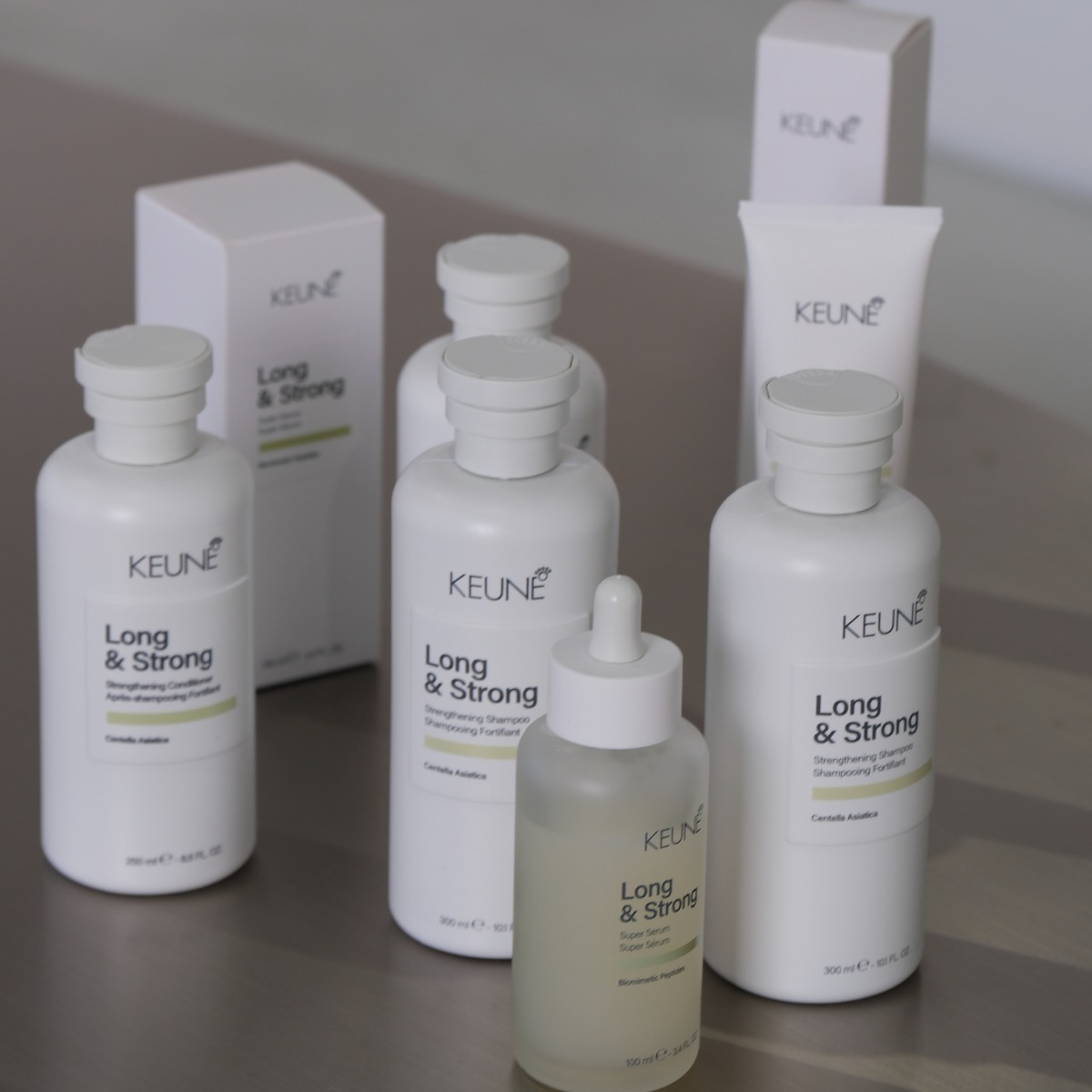
One range we've been particularly excited about is Keune Long & Strong.


Developed specifically for fragile hair, it combines Centella Asiatica, Marine Density Infusion and Biomimetic Peptides to support healthier-looking
hair, improved density and stronger strands.


The goal isn't simply longer hair.


It's healthier hair that can successfully retain the length it grows.

Concerned About Hair Breakage Or Thinning?

Every head of hair tells a different story.


What works for one person may not be right for another.


If you've noticed increased breakage, reduced density, excessive shedding or changes in your hair during perimenopause, menopause or postpartum, our team can help identify what may be contributing and create a personalised plan for healthier hair.


Frequently Asked Questions

Why won't my hair grow?
In many cases, your hair is growing normally, but breakage, split ends or excessive shedding prevent you from seeing additional length.


Can hormones affect hair growth?
Yes. Perimenopause, menopause and postpartum hormonal changes can affect hair density, growth cycles, shedding patterns and fibre quality.


Does stress cause hair loss?
Stress can contribute to telogen effluvium, where more hairs enter the shedding phase than normal.


How can I stop hair breakage?
Focus on improving hair retention through professional home care, thermal protection, scalp health, nutrition and personalised advice.


What are biomimetic peptides?
Biomimetic peptides are advanced ingredients that mimic natural biological signalling pathways and help support healthier follicle function, stronger strands and improved hair density.